Looking to source Traction Truck Parts from around the world? It’s not always straightforward — the market’s pretty big and pretty competitive. Companies have to jump through a few hoops to make sure they get quality stuff they can rely on.
Really taking the time to understand what you need is super important. Different manufacturers make these parts with a bunch of different specs, so doing some homework on potential suppliers is almost a must. Quality is everything here — check their track records, certifications, you name it. And don’t hesitate to reach out and chat directly if something’s unclear. It’s better to ask than to assume.
Heads up, though — the sourcing process can throw some surprises your way. You might run into unexpected costs or delays now and then. It’s a good idea to keep revisiting your strategy along the way, so you can adjust on the fly. Building good, long-term relationships with trustworthy suppliers really helps cut down those risks. At the end of the day, picking the right Traction Truck Parts isn’t just about the price — it’s about making sure your operations run smoothly and your business keeps kicking any extra hassle."

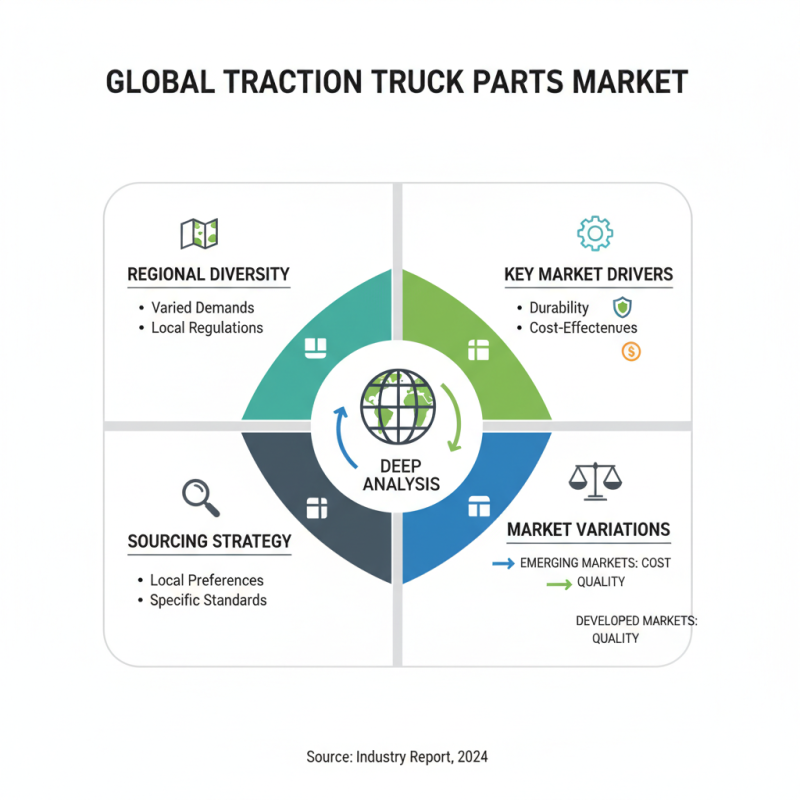
Understanding the global market for traction truck parts requires a deep analysis of various factors. This market is diverse, driven by regions with distinct demands and regulations. For anyone sourcing parts, it's essential to be aware of local preferences and standards. Different markets may prioritize durability or cost-effectiveness in ways that vary significantly.
Transparency in sourcing is crucial. Establishing a reliable supply chain can minimize risks. Engage with manufacturers who have a proven track record. This boosts confidence in the quality of parts you receive. Parts like Tow Truck Parts often face issues related to compatibility. Ensuring correct specifications can prevent future problems.
Cultural differences can impact negotiations. Understanding local customs can facilitate smoother interactions. Shipping logistics also complicate sourcing. Research the best routes and potential delays. A proactive approach to these challenges can enhance sourcing efficiency. Reflect on your strategies regularly to improve your sourcing process.
When sourcing truck parts globally, understanding key factors is vital. The demand for truck parts is projected to reach $99 billion by 2025, according to industry reports. Availability and quality significantly impact the sourcing process. Many parts, like Truck Cap Parts, are often sourced from manufacturers in regions where production costs are low. However, this can lead to challenges in quality control and consistency.
Logistics are another critical factor influencing sourcing. Efficient global supply chains can reduce costs and lead times. A report from a logistics consultancy noted that 70% of companies face delays due to poor logistical planning. Strong relationships with shipping providers and manufacturers can help mitigate these issues. Cultural differences and communication barriers also come into play, resulting in misunderstandings and potential delays.
Additionally, regulatory compliance is essential. Different countries have various standards for truck parts. Non-compliance can lead to costly recalls or legal issues. According to a survey by an industry association, nearly 30% of companies reported challenges with meeting international compliance standards. Being aware of these factors can facilitate smoother sourcing experiences and better product quality.
When sourcing traction truck parts globally, identifying reliable suppliers and manufacturers is crucial. Start by researching potential partners thoroughly. Look for companies with a solid reputation and positive customer feedback. Online platforms and industry forums can provide valuable insights. Consider reaching out to previous customers to understand their experiences.
Evaluate the suppliers' certifications and standards. Reliable manufacturers often hold industry certifications that ensure quality. Don't hesitate to ask for documentation. It can indicate their commitment to quality and safety. Ensure they comply with international standards. This factor is key in establishing trust and reliability.
Shipping logistics is another important consideration. Communicate with suppliers about their shipping practices and timelines. Delays can affect your operations. Additionally, be aware of potential communication barriers. Language differences may lead to misunderstandings. Establish clear communication channels to mitigate this risk. Always be prepared for unexpected challenges when sourcing globally.
| Criteria | Details |
|---|---|
| Supplier Type | OEM, Aftermarket |
| Key Markets | Asia, North America, Europe |
| Quality Standards | ISO 9001, TS 16949 |
| Payment Terms | T/T, L/C |
| Minimum Order Quantity | 100 - 500 units |
| Lead Time | 4 - 12 weeks |
| Shipping Methods | Sea, Air, Rail |
| Customer Support | 24/7, Email, Phone |
Sourcing truck components globally demands a sharp focus on quality standards. Quality assurance begins with understanding specifications. Evaluate if the parts meet industry standards for durability and safety. This can save costs in the long run and ensure reliability on the road.
Tips: Check the certifications of manufacturers. Reliable suppliers often provide documentation that proves compliance with international quality standards. Always ask for samples before making bulk purchases.
Be wary of overly cheap options. Low prices can signify poor quality. It might require trial and error to find trustworthy sources. A robust quality control process must be in place to ensure longevity. Ultimately, sourcing high-quality components is essential to maintaining the integrity of All Truck Parts.
Sourcing traction truck parts globally requires careful navigation of trade regulations and import duties. Each country has unique laws that can greatly impact costs and timelines. Research is essential before making any commitments. A 2021 report by the World Trade Organization noted that compliance with trade regulations can affect over 30% of supply chain operations.
Understanding import duties is also vital. Many countries impose tariffs that can increase total expenses. For instance, importing truck parts into Canada can incur duties up to 8%, depending on specific categories. Additionally, varying VAT rates can complicate financial planning. It's crucial to keep up with changing regulations, as they can impact your bottom line.
While the internet provides ample resources, not all information is reliable. Engaging with trade compliance experts is often necessary. They can provide insights on documentation and classifications that might otherwise be overlooked. Reflecting on past import experiences can help you avoid costly mistakes. It's also crucial to build relationships with suppliers who understand the local regulatory landscape. This approach may help ease future transactions and improve overall supply chain efficiency.
Establishing effective communication with international suppliers is crucial in sourcing traction truck parts globally. A report by the Global Supply Chain Institute reveals that poor communication leads to 50% of shipment delays. Clear communication minimizes misunderstandings and builds trust.
Tip: Be clear and concise in your messages. Use simple language and avoid jargon. This helps in nuances lost in translation. Sending visual references of parts can bridge language barriers effectively. Regular updates on order status enhance transparency, making suppliers feel valued and engaged.
Tip: Foster a two-way communication channel. Encourage suppliers to voice concerns about specifications or timelines. Over 70% of suppliers appreciate when buyers show interest in their insights. This collaborative approach leads to better quality parts. Be prepared to listen and adapt; rigidity can hamper relationships.
Establishing a common ground may take time. Cultural differences can influence communication styles. Adapting to different time zones is also necessary; reliable responses are crucial. Seek feedback from suppliers about the communication process, as it helps refine your approach and fosters a long-term partnership.
Building long-term relationships with global truck parts suppliers is vital for success in sourcing. Establishing trust can enhance supply chain efficiency and reduce costs. A recent industry report noted that 70% of businesses that prioritize supplier relationships see improved performance metrics. This indicates a clear correlation between collaboration and operational success.
Regular communication is necessary. Engaging in discussions about product quality, delivery timelines, and pricing creates transparency. It’s essential to align expectations and be honest about limitations.
Suppliers appreciate feedback on their performance. Acknowledging their strengths and addressing weaknesses fosters a cooperative atmosphere. In the Fire Truck Parts sector, a dependable supplier can make a significant difference in safety and compliance.
However, it's also important to remain flexible. Market conditions can shift unpredictably. Relying too heavily on one supplier can lead to vulnerabilities. Diversifying your supplier base mitigates risks associated with supply disruptions. Tracking performance through metrics can uncover areas needing improvement or adjustment. Making informed decisions ensures that you have access to the right Fire Truck Parts when you need them, ultimately supporting your operational goals.
The 2019-2024 heavy-duty trucks, particularly the latest models in the Sino market, have been designed to deliver optimal performance across various terrains. Equipped with powerful engines such as the Euro2 and Euro3 compliant 371hp, the 6×4 tractor trucks excel in both fuel efficiency and reliability—key factors that are critical for long-haul operation. According to industry reports, heavy-duty trucks that utilize advanced engine technology can improve fuel efficiency by approximately 15%, which is paramount for reducing operational costs in a competitive market.
In addition to their robust powertrains, these trucks prioritize driver comfort and safety. The ergonomic design of the cab significantly enhances the driving experience, allowing operators to work longer hours without fatigue. Features such as integrated heating and air conditioning systems, along with adjustable seats, cater to driver needs in all weather conditions. Furthermore, the 6×4 model's lightweight construction does not compromise its payload capacity; instead, it improves overall maneuverability, making it suitable for diverse applications.
Moreover, these vehicles are built with essential components such as the HW19712 transmission, which offers 12 forward and 2 reverse gears, facilitating smooth operation in various driving conditions. The high-capacity axles—VGD95 and HC16—provide the necessary support for heavy loads while ensuring stability and control, particularly during challenging maneuvers. These engineering advancements, coupled with extensive after-sales support through integrated service networks, establish a strong competitive edge in the heavy-duty truck segment, promising long-term durability and customer satisfaction.
: Availability, quality, logistics, regulatory compliance, and reliable suppliers significantly impact sourcing truck parts.
Efficient logistics can reduce costs and lead times. Poor logistics can cause delays affecting operations.
Research potential suppliers thoroughly. Look for companies with a strong reputation and positive customer feedback.
Evaluate their certifications and standards. Documentation indicates their commitment to quality and safety.
Each country has unique laws impacting costs and timelines. Non-compliance can lead to delays and increased expenses.
Import duties are tariffs imposed by countries that can increase expenses when sourcing truck parts.
Language differences can cause misunderstandings. Clear communication channels are necessary to mitigate these risks.
Strong relationships can ease transactions and improve overall supply chain efficiency, especially in navigating regulations.
Stay updated on evolving regulations to avoid surprises. Reflect on past experiences to prevent costly mistakes.
Local suppliers understand the regulatory landscape, which helps in navigating compliance issues more effectively.
When sourcing Traction Truck Parts globally, it is crucial to understand the dynamics of the international market and the key factors that influence sourcing decisions. Essential considerations include identifying reliable suppliers and manufacturers who meet quality standards and can navigate the complexities of trade regulations and import duties. Establishing effective communication and building long-term relationships with these suppliers are vital for ensuring a steady supply of high-quality truck parts.
To successfully procure Traction Truck Parts, it's important to evaluate suppliers based on their credibility and the quality of their products. Furthermore, understanding the market's legal and regulatory landscape can help mitigate risks associated with international trade. By prioritizing these aspects, businesses can enhance their sourcing strategy and maintain a competitive edge in the global marketplace.